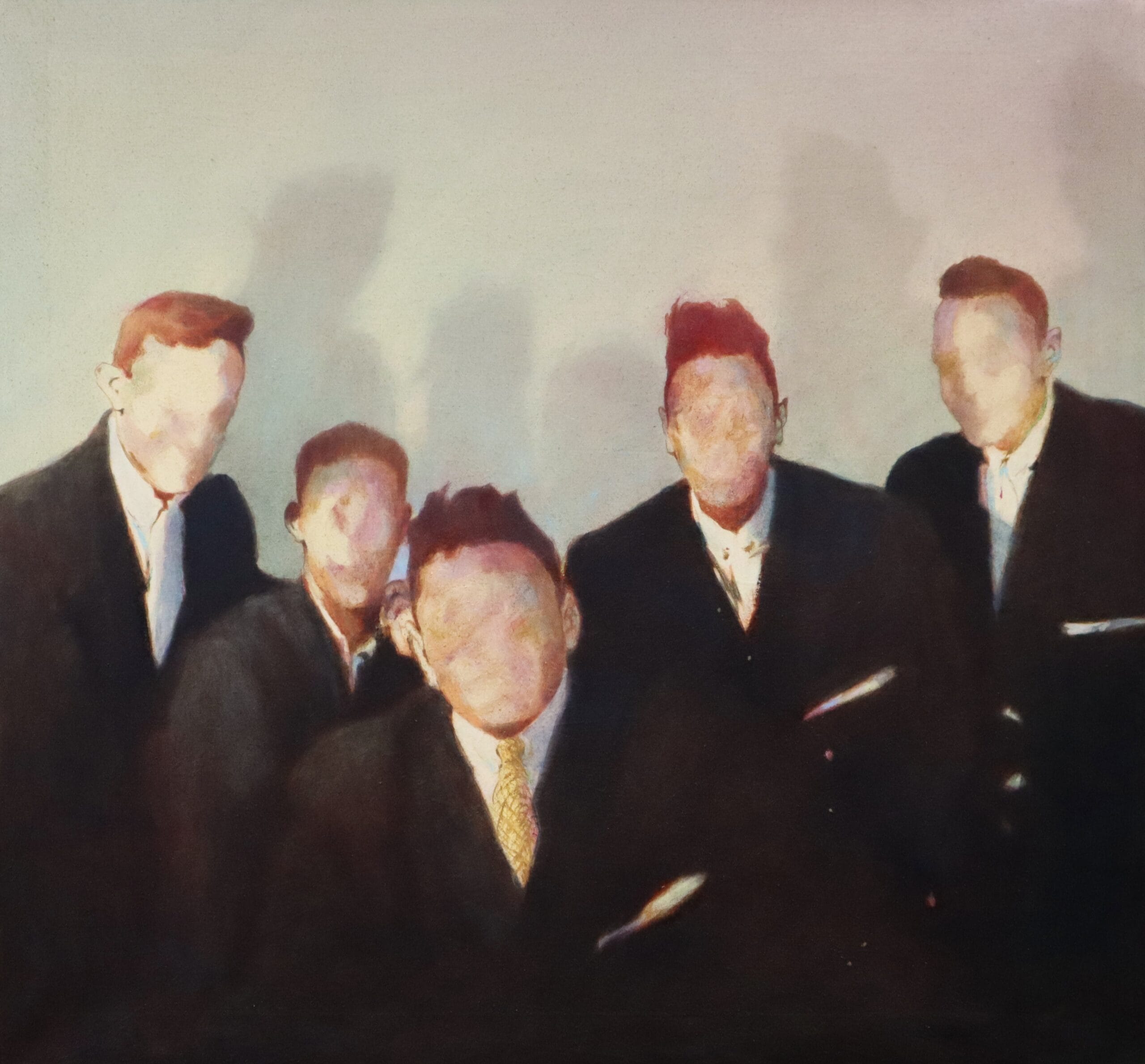
 Before the celebrations
Rasmus Nora
950 €
Before the celebrations
Rasmus Nora
950 €
Rasmus Nora
Rasmus Nora
1981
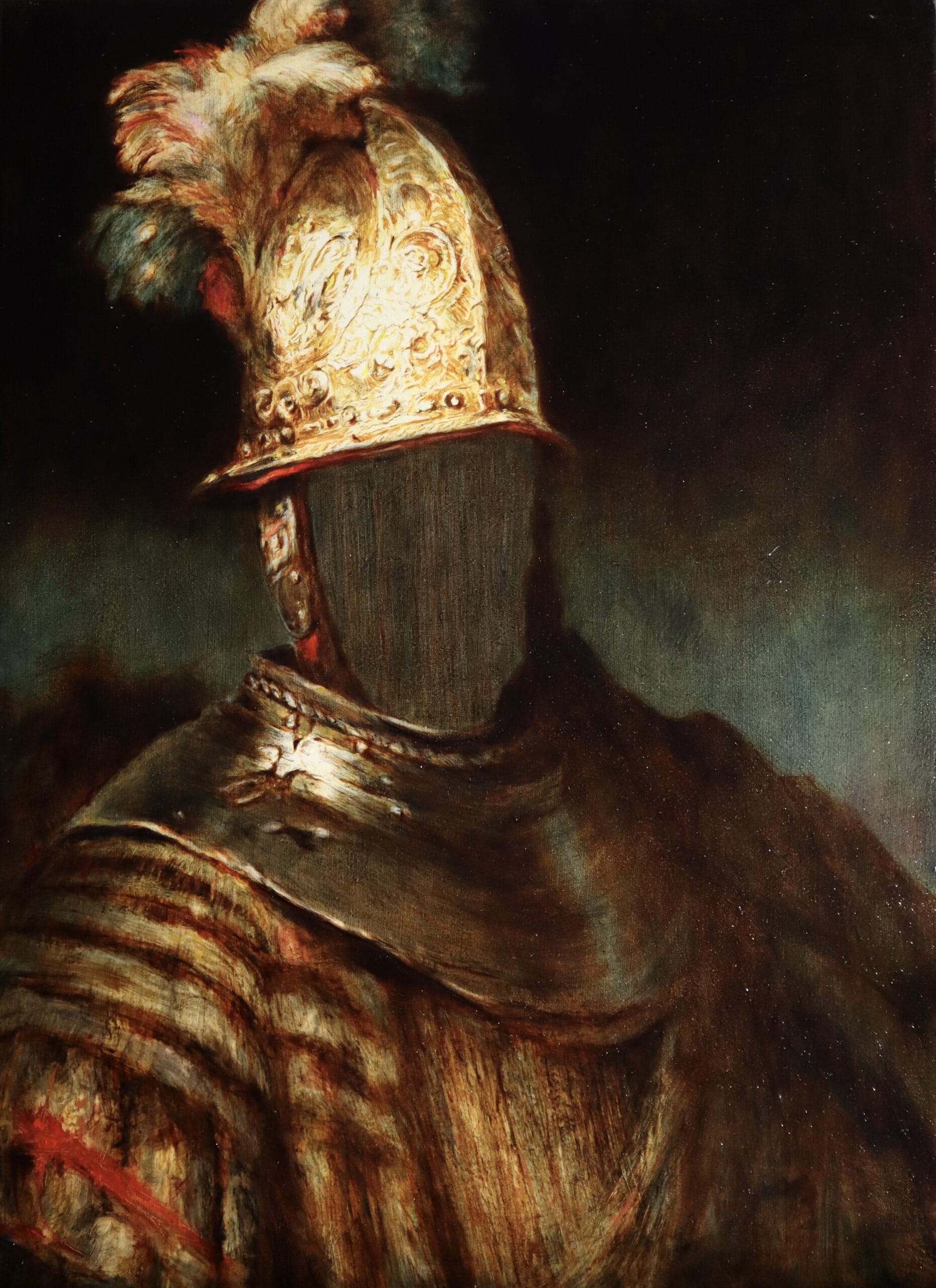
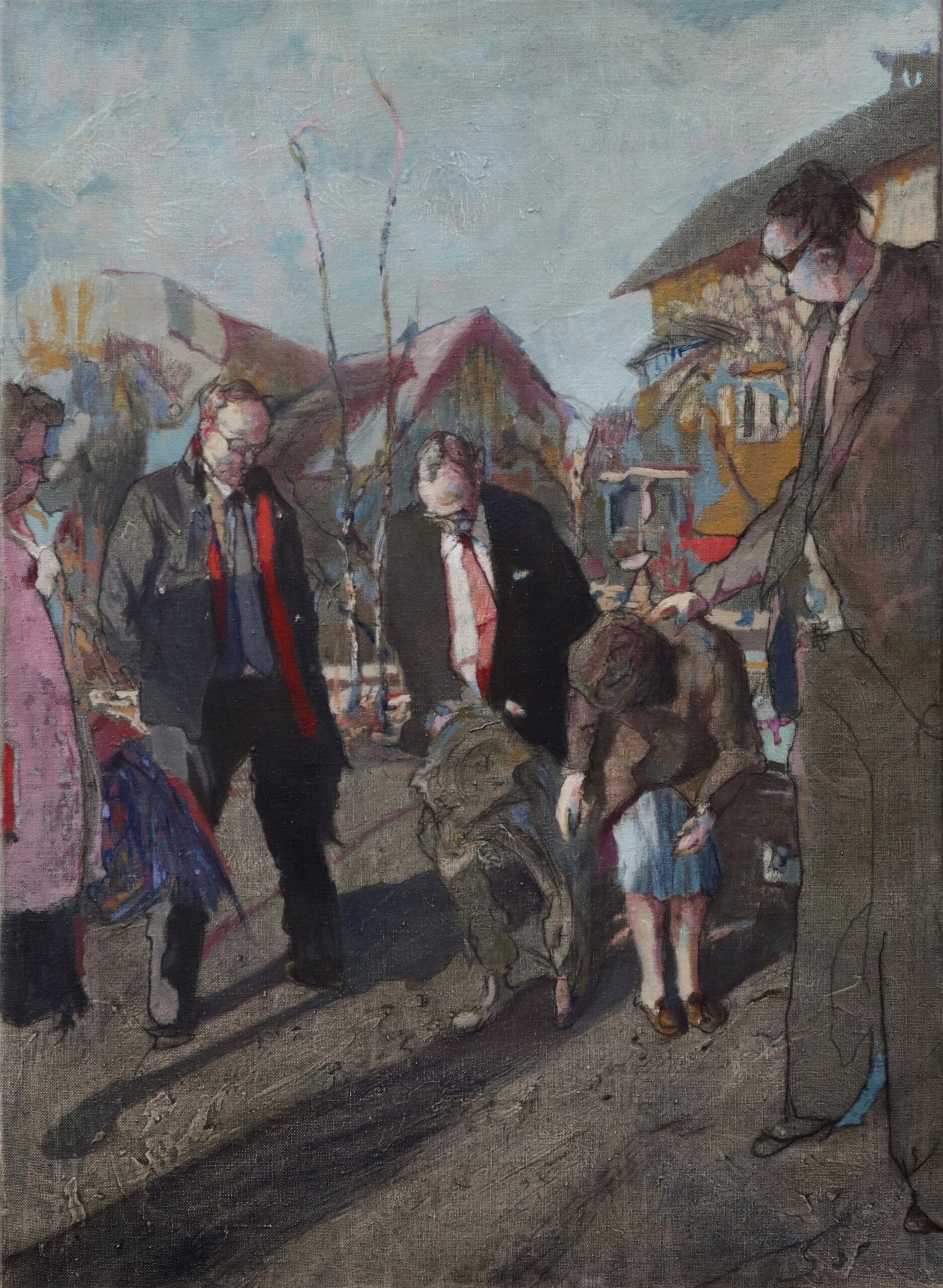
Rasmus Nora is a visual artist from Espoo who graduated from the Academy of Fine Arts at the University of the Arts Helsinki in 2016. His highly precise and powerful works are characterised by contrasts and humour.
“My inspiration comes from observations of strange everyday incidents and details. Often, these have inadvertently undergone some form of mutation before finding their way onto the surface of a painting.
“The subjects of my works often arrive like revelations—as complete and fully formed mental images. I seek to transfer them onto the canvas as uncorrupted as possible through the painting process, directing my gaze indirectly towards the scene’s blind spot, where the work’s most powerful, essential, and often unspoken element resides. When looked at directly, it disappears.
“At times, the painter’s role may be that of a medium or recording device, a brush or a stenographer. The painted surface functions like a phonograph cylinder, with the brush acting as its needle.
“The surrounding architecture, the eating habits of those close to me, demolished buildings, and construction sites all appear in the imagery of my works. They are shown in a different light, recorded in a new order, dressed in new colours, and moulded into different forms. Propelled into motion by sweeping lines, they assume their true shapes. They create stories and movement—a film contained within a single image.
“Dwellings I have never entered give rise to premonitions. Their surrounding architecture and the indistinct light glowing from within have sometimes inspired distinctly ominous visions of the atmosphere inside each building. The painter records the house.
“Observations of everyday events, perceived through all the senses, are recorded on the painted surface. The result is a kind of collage of a particular period, in which smells, sounds, and sights merge with distorted, dreamlike memories, religious imagery, the history of painting, literature, and food. At times, they appear as suggestively rendered, nearly abstracted figurative elements—seen in a different light and rearranged.”